Showing posts with label coconut. Show all posts

Saturday, January 19, 2013

Dragon Fly


DRAGON FLY


Black-tailed Skimmer (female) in Ghent, Belgium


Yellow-winged Darter (Sympetrum flaveolum)
     The dragonfly is large predatory insect generally found around watery areas in both the North and South Hemispheres. The dragonfly is very similar to a damselfly but the wings on the adults are considerably different.
The dragonfly is found hovering near lakes and swamps as the dragonfly larvae (the nymph/baby) is aquatic. The dragonfly nymph is capable of producing a painful bite for humans, where the adult dragonfly poses no threat.
The dragonfly is best known for its beautiful colours and the way it's body and wings sparkle when the dragonfly is flying around the water.
Dragonflies have long, thin and generally colourful bodies, large eyes and two pairs of transparent wings. As with other species of insect, the dragonfly also has six legs but it is unable to walk on solid ground. In flight the adult dragonfly can propel itself in six directions which are upward, downward, forward, back, and side to side.
Both the dragonfly and it's larvae are carnivorous animals and they feed exclusively on other small animals. The main prey of the dragonfly are mosquitoes, flies, bees and other small invertebrates. The dragonfly larvae feeds mainly on aquatic insects and their eggs.
The dragonfly is preyed upon by a number of predators around the world including birds, fish and reptiles such as lizards. The dragonfly is also commonly eaten by amphibians such as toads, frogs and large newts.
Female dragonflies lay their eggs in or near water, often on floating or emergent plants. The dragonfly eggs then hatch into nymphs. which is how most of the dragonfly's life is spent. The dragonfly nymphs live beneath the water's surface, using extendible jaws to catch other invertebrates or even vertebrates such as tadpoles and fish.
The larval stage of large dragonflies may last as long as five years. In smaller species, this stage may last between two months and three years. When the larva is ready to metamorphose into an adult, it climbs up a reed or other emergent plant. Exposure to air causes the larva to begin breathing. The skin splits at a weak spot behind the head and the adult dragonfly crawls out of its old larval skin, pumps up its wings, and flies off to feed on midges and flies.

Eastern Pondhawk (Erythemis simplicicollis), male

                         Dragonfly Facts

Kingdom:Animalia
Phylum:Arthropoda
Class:Insecta
Order:Odonata
Family:Anisoptera
Common Name:Dragonfly
Scientific Name:Anisoptera
Found:Worldwide
Diet:Carnivore
Size:2.4-10cm (1-4in)
Number of Species:5,000
Average Lifespan:6 years
Conservation Status:Threatened
Colour:Yellow, Black, Orange, Red, White. Brown, Blue
Skin Type:Hair
Favourite Food:Mosquitoes
Habitat:Wetlands and close to water
Average Litter Size:60
Main Prey:Mosquitoes, Fly, Bee
Predators:Birds, Fish, Lizards
Special Features:Long body shape and large, transparent wings


Adult male Common Whitetail Dragonfly (Libellula lydia)

Saturday, January 05, 2013

snakes

Dangerous Snakes

Snake


                            Snake Facts

Scientific Name:Serpentes
Type:Reptile
Diet:Carnivore
Size:5.4m (18ft)
Weight:150kg (330lbs)
Top Speed:32km/h (20mph)
Life Span:30 years
Lifestyle:Solitary

   There are around 2,700 known species of snake worldwide, with the snake being found on every continent apart from the polar regions, where it is too cold for the snake.
The snake can grow anywhere from 10 cm in length, to the enormous anaconda snake that can reach lengths of up to 30 ft long! There are two ways that snakes kill their prey, either the snake has a poisonous bite or the snake will wrap itself around the prey to constrict it.
Most species of snake inhabiting colder regions in the Northern Hemisphere, will hibernate through the cold winter months. The snake tends to mate in the spring time.


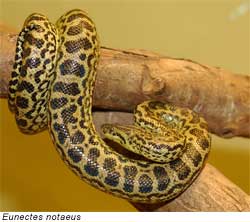
Anaconda

    Anacondas are four species of aquatic boa inhabiting the swamps and rivers of the dense forests of tropical South America as well as the southern swamps of the island of Trinidad. The Yellow Anaconda can be found as far south as Argentina.


Author: Patrick Jean. The copyright holder of this image allows anyone to use it for any purpose including unrestricted redistribution, commercial use, and modification.   


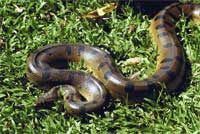
Green Anaconda

The Green Anaconda is the heaviest species of snake in the world.

The Green Anaconda is indigenous to the swamps and rivers of Peru, Venezuela, Guyana, north Bolivia, Columbia, Brazil, Trinidad, and Ecuador. The Green Anaconda can weigh up to 551 lbs. 

The typical length for a female Green Anaconda is 22-26 feet while the males are between 12 and 16 feet long. However, these are just base figures with Green Anacondas measuring in at well over 30 feet long..


Giant Anaconda Brutally Killing A Tiger


Tuesday, January 01, 2013

Our Earth Facing Serious Threats


Our Earth is Under Threat.!!


   I love my earth...
I will surely take my own steps to conserve the Resources of our beautiful earth...

   How beautiful is our earth..!

When we see these beautiful pictures from our earth..how we can destroy these resources..
so..always protect these beautiful things...

  Due to the increased pollution,the Biodiversity is decreased day by day...


On earth most of the species of animals,birds,and plants  were facing serious threats of extinction....
Our Efforts can save them....


Our Resources are decreased every day.....


As a Result of these increasing exploitation by the human race, 42% of mammals, 15% of birds and 52% of freshwater fish across the globe  are under threat.
  our single movement or a second thinking will change the future of our planet...

Our earth contains large varieties of plants..
But most of them are in vast extinction.....